
Neem and Tulsi form a duo of the most potent Ayurvedic herbs, renowned for their incredible ability to promote skin health. These two herbs have a deep history of effective skin healing, such as dealing with acne, skin dullness and irritation, and many other common skin issues. Neem is well-known for its very effective antibacterial and cleansing qualities, whereas the major property of Tulsi is its calming and nourishing effects. The selection of the right herb can have a significant impact on your skincare regimen. Moreover, knowing their special advantages will naturally lead you to have a healthier and clearer skin.
What is Neem?
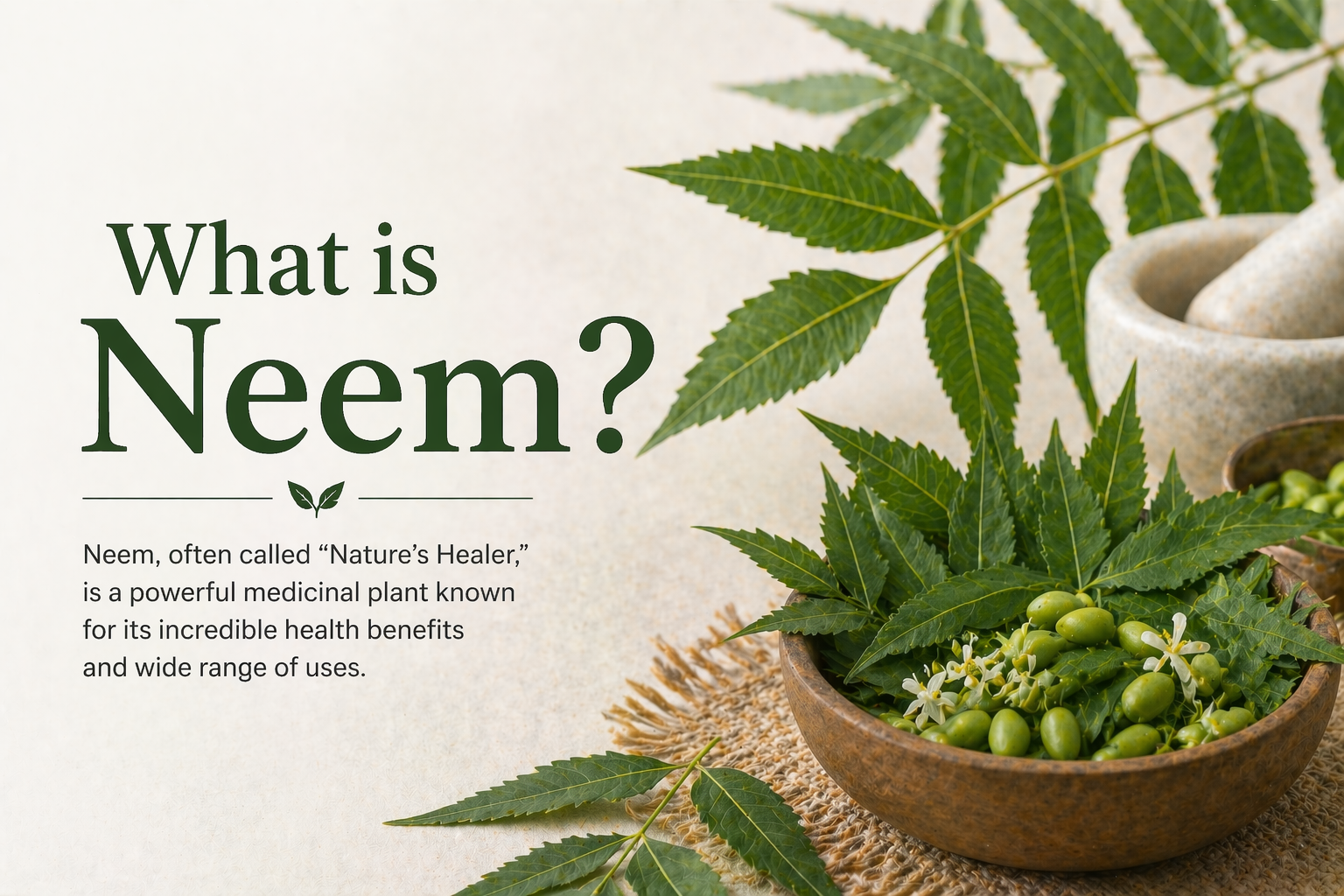
Without a doubt, Neem is one of the most famous plants to come from the Indian subcontinent. It is even more acknowledged for its great number of health benefits in prolonged Indian practice. This tree is used for the treatment of neem leaves, bark, seeds, and oil, although it is mainly used for skincare. It features the three attributes antibacterial and antifungal plus the anti-inflammatory properties giving you an easy answer – the best one to use tackling skin conditions such as acne, eczema, and psoriasis. Its important compounds drawn from nature can be instrumental in skin purification, oil secretion reduction, and general improvement of the skin therein.
What is Tulsi?
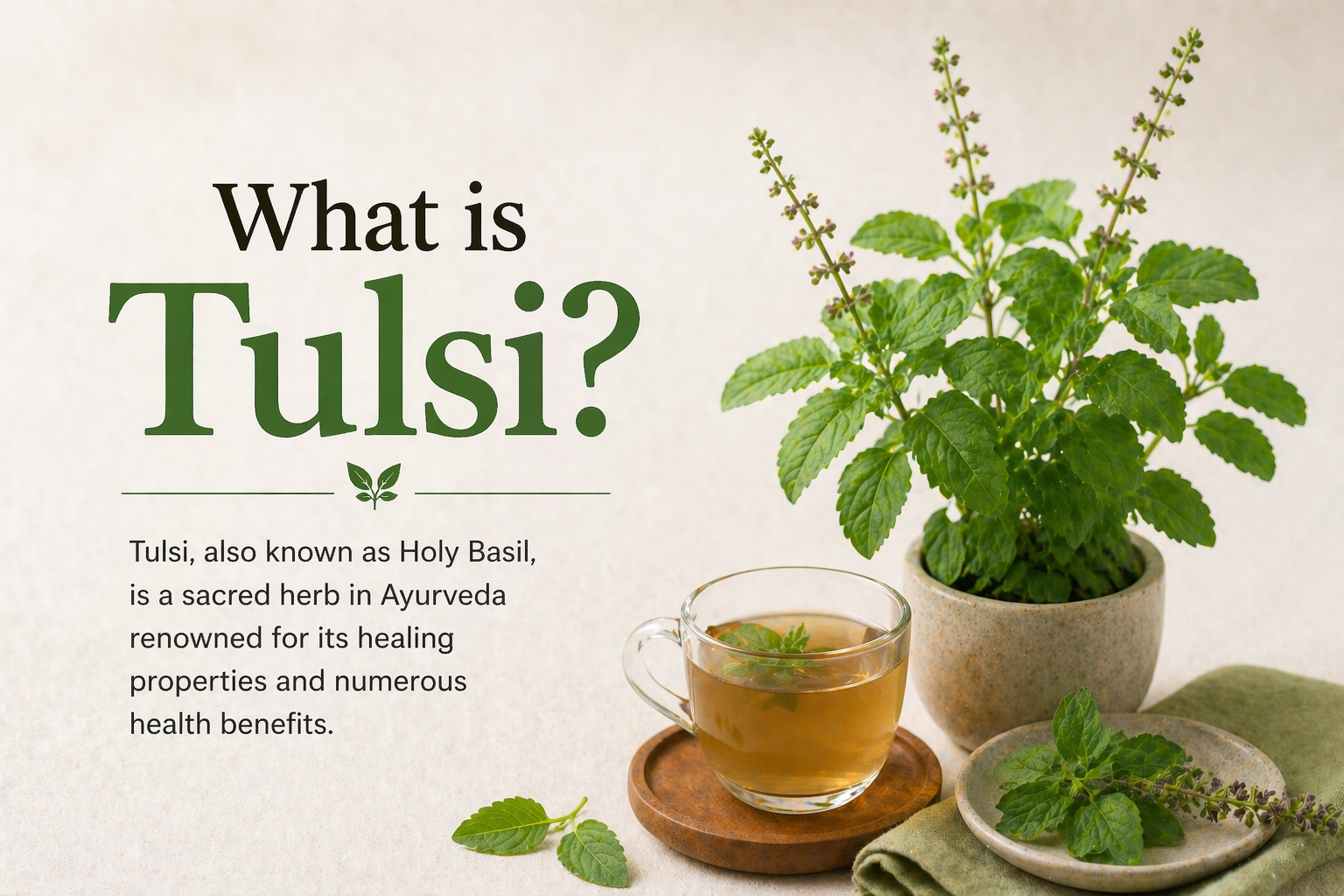
Tulsi is another common name for Holy Basil or Ocimum sanctum in Indian cultures along with Ayurveda, where it occupies a top place. Yes, it indeed is the “Queen of Herbs” and is used in the spiritual sense. But Holy Basil is also a very nutrient-rich food. These essential properties make it the best choice for beetles to lift bird care. It has unique features such as antioxidative and antimicrobial effects, which is why it is widely used in the manufacture of cosmetics. It also can be used in exactly the same way for boils and ulcers. Scientists have found that it benefits the heart and also can be used to heal all kinds of problems. Tulsi can even help move toxins right out of your body. We can only expect the health benefits obtained by them combined to be better than the two only being taken separately.
Key Differences Between Neem and Tulsi
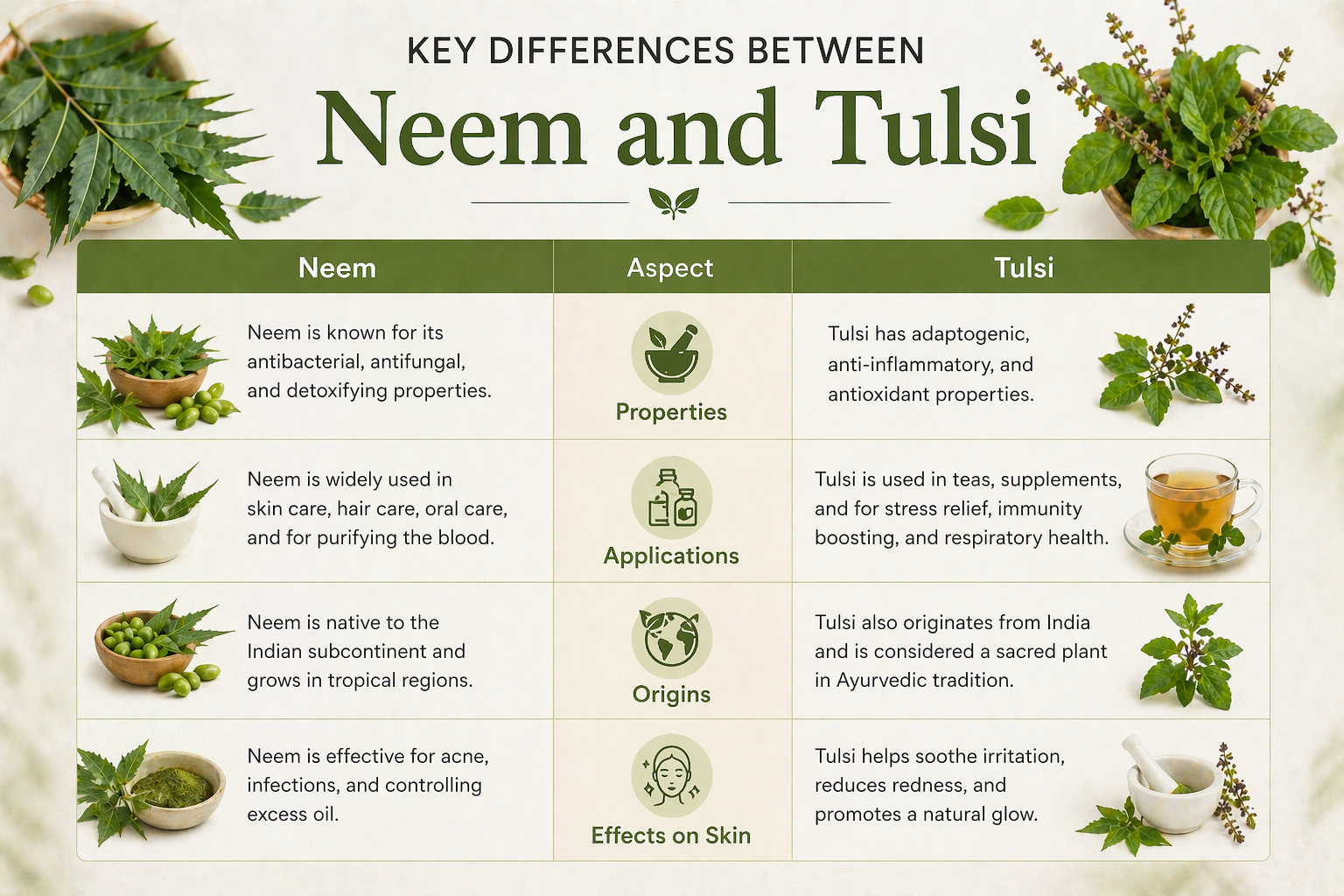
However, neem and tulsi share nearly equal roles in various issues connected with health, their properties are somewhat different when it comes to their application to skincare:
- Properties: Neem is another element that has exploded in the press as the best antibacterial and fungicidal element, unlike Tulsi known to be one of the famous anti-fungal drugs that you can use and has both antioxidant and calming effects. However, it is evident that these differences are what would otherwise seem like the same things but in this particular aspect are the origins of the two, India of which neem is the tree and tulsi is a shrub. The implements analogically vary – neem involves [medicinal] leaves, seeds, bark, and oil, while tulsi generally employs its leaves.
- Applications: Neem comes a long way in fighting acne and oily skin by controlling the excess oil and clearing the pores that are present in its bacterial and fungicidal properties. The case with Holy Basil is a quite different thing as it is used to ground or polish the already bright skin and save it from irritation. It is the only one that brings reconciliation to your body and devils it over the toxins it has been shying away from. They can only do better together.
- Origins: Neem is a broad-leaved plant growing in Indian forests in addition to trees. Thus, a significant difference can be observed in the parts used in treating them as in the neem case you need to use leaves, seeds, the bark, and the oil and in tulsi they primarily use the leaves.
- Effects on Skin: Obviously, Neem can cure ache by reducing bacterial infections; on the other hand, tulsi has soothing effects which are suitable for sensitive skin types. Neem, on the other hand, is anti-bacterial that is suitable for the treatment of acne and oily skin. This plant has properties that can help open pores of the skin, regulate the oil, and cleanse deeply.
Tulsi vs Neem: Long-Term Results
| Aspect | Neem | Tulsi |
| Acne Control | Strong and long-lasting acne control | Helps prevent mild acne over time |
| Skin Texture | May become slightly dry with overuse | Improves smoothness and softness |
| Oil Control | Excellent for reducing excess oil | Balances oil without over-drying |
| Skin Glow | Focuses more on cleansing than glow | Enhances natural glow gradually |
| Anti-Aging | Limited anti-aging benefits | Helps reduce fine lines and wrinkles |
| Skin Hydration | Can reduce moisture if overused | Maintains hydration and nourishment |
| Sensitivity | May irritate sensitive skin | Gentle and suitable for sensitive skin |
| Long-Term Use | Best used in controlled amounts | Safe for regular daily use |
| Overall Result | Clear, acne-free skin | Healthy, glowing, and balanced skin |
Which One is Right for You?
If your skin has specific needs and problems, you should choose between neem and tulsi. In addition, both herbs offer unique benefits that can be used for different purposes in skincare:
- If dealing with acne: Neem would be the most preferable one because of its potent antibacterial agents which work immediately on the acne-causing bacteria.
- For sensitive skin: Tulsi which can soothe and calm the skin is often used because of its calming and soothing effects it has on irritated or sensitive skin.
- For holistic skin health: Using both as part of your skincare protocols become the best course of actions due to the fact that they are two different herbs joining together to be a comprehensive solution for healthy, clear skin.
In the end, Neem and Tulsi are both dear to skin health as they bring fantastic properties that can greatly enhance a skincare regimen. By grasping their specific advantages, people can comfortably make crucial choices that are suited for their unique skin issues, leading to better skin in the long run. In this respect, the choice should be made based on the actual skincare issues to be addressed and the user’s personal skin sensitivity options. Ultimately the results will be the ones that you will finally be the master of by adhering to regular use and observations.
Related Posts:-
Vidarikand Benefits, Uses, Dosage & Side Effects
Benefits of Tulsi Powder for Skin
How to Detox Liver Naturally at Home