
These days we live in a world where the one-two punches with health-degrading things like stress and unhealthy habits constantly render us unable to live a Full of Holistic Wellness life, so many people are going back to traditional methods of healing and wellness. Among the Ayurvedic principles, the Indian sustainable health system attracts attention due to its focus on holistic approaches to health. The herbs in Ayurveda and the protection of health are both the essence of the well-being approach for the people of India. The following text is an expert in detailing the top 10 benefits of Ayurvedic herbs. It sheds light on their potential in making the body and mind stronger and also how they help to lead a healthier life.
What are Ayurvedic Herbs?
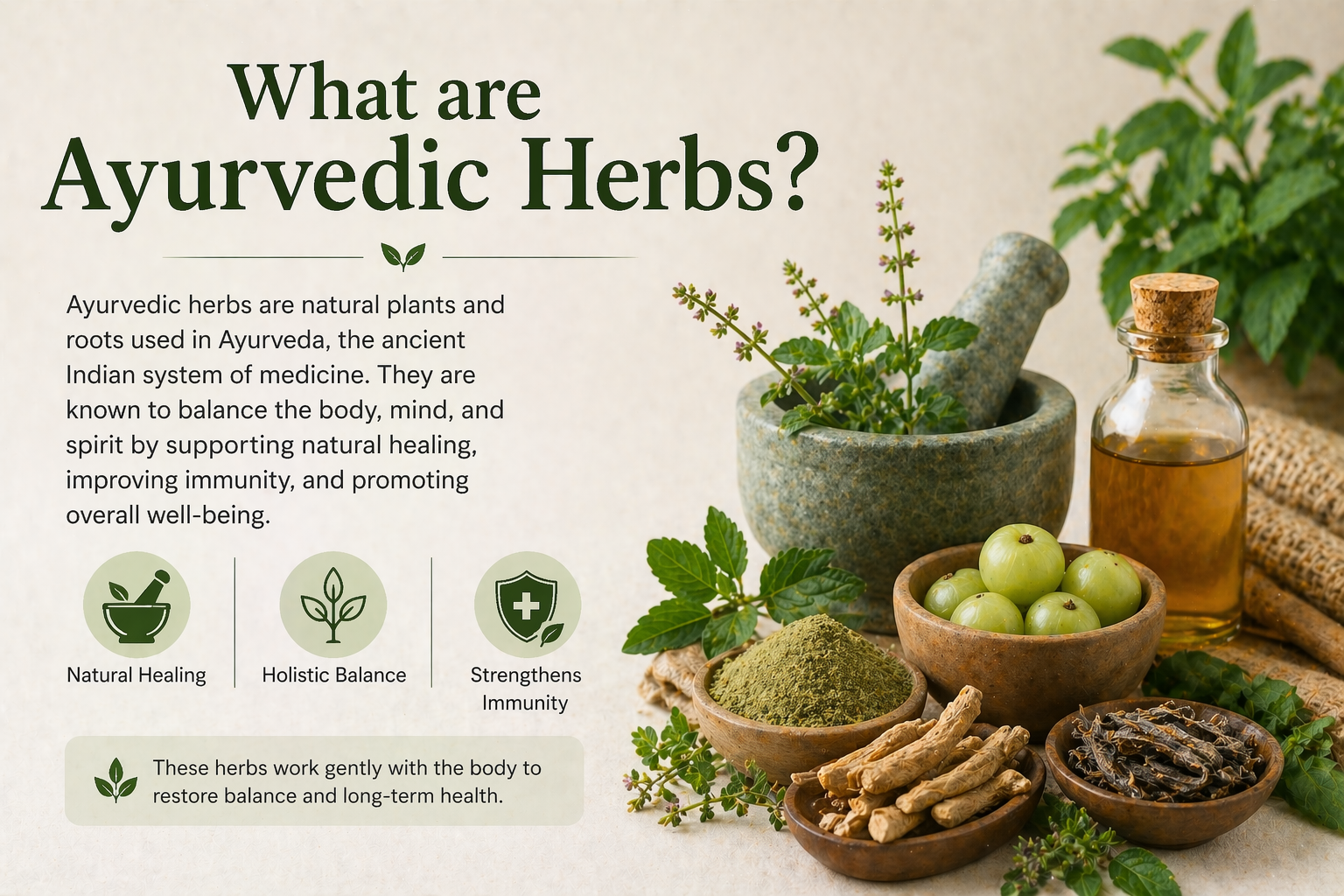
The Ayurvedic plants and plant extracts are the herbs used in Ayurveda to balance the body and health of the person. They are identified as the traditional herbs mainly known for their medicinal characteristics and they are used in treatment of various medical conditions. These herbs have been shown to increase the harmony between the mind, body, and soul and are like Naturo’s Medicine Chest for a variety of health issues. Each type of herb possesses a distinct set of properties which tend to be purpose-specific to various health problems and thereby validates the use of a holistic approach to the healing process.
10 Powerful Benefits of Ayurvedic Herbs
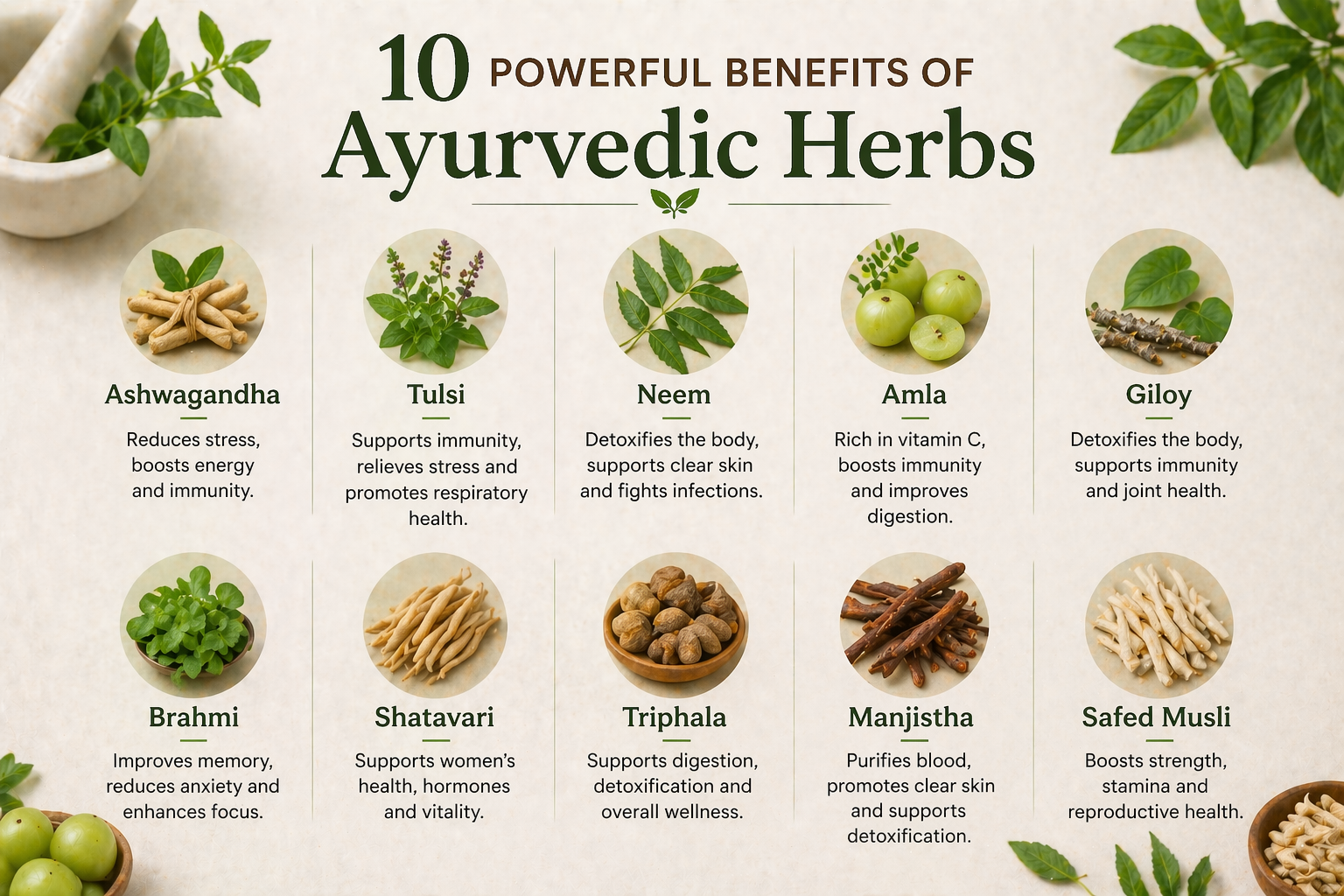
1. Ashwagandha
Ashwagandha is among the most widely used Ayurvedic herbs thanks to its adaptogen qualities. It aids the body in handling stress efficiently and elevates overall happiness of mind. With the consistent intake of Ashwagandha, one can raise the level of energy, boost the muscles and get sleep of even better quality. Besides these, it also works for immunification and brain function enhancement which is why it is the first choice of individuals under stress, suffer from exhaustion and/or have anxiety issues.
2. Tulsi
Tulsi is known as a holy herb in Ayurveda and is majorly used due to its healing qualities. It enhances the body’s defense system and wards off infections. It also has benefits to the respiratory system and thus can be used in cough and cold situations. Its innate antibacterial features help skin to be clear and healthy. On the other hand, it also helps in stress reduction and keeps the mind tranquil.
3. Neem
Neem is known for its powerful detoxifying and antibacterial properties. It purifies the blood and helps remove toxins from the body. Neem is especially beneficial for skin health as it treats acne, infections, and inflammation. It also supports oral hygiene and helps fight harmful bacteria. Regular use of neem can lead to clearer skin and improved overall health.
4. Amla
Amla (also known as Indian Gooseberry) is packed with vitamin C and is an excellent immunity booster. It also contributes to the health of your digestive system and gut. Besides this, amla when taken regularly can improve the appearance of hair and skin by bringing out their natural glow and making them strong. This fruit works in tandem with the liver in cleansing the body. Incorporating amla in your diet can lead to an increase in your general energy and health.
5. Giloy
Giloy is a very potent herb that enhances our immune system and helps our body fight against various infections. It is mainly taken to reduce fever as well as to raise one’s fitness level. Besides that, Giloy clears the blood of toxins and aids in digestion. In addition to that, it possesses anti-inflammatory features which can alleviate puffiness and induce speedy recovery. For robust immunity, Giloy is a first-rate herb.
6. Brahmi
Brahmi is mostly recognized for its beneficial impacts on brain health. It aids in boosting memory, focus, and concentration. Apart from that it can be very effective in stress and anxiety reduction, bringing about mental clarity. Continual use of Brahmi aids in brain function and increases one’s ability to learn. This incredible herb is a great source of help for the students and anyone doing heavy mental work.
7. Shatavari
Shatavari is particularly good for women’s health. It contributes to hormone balancing and strengthens the reproductive system. Besides, Shatavari enhances digestion as well as increases immunity levels. The herb has tranquilizing effects which decrease the level of stress and tiredness. It is among the most popular herbs that people take to energize their bodies and keep their hormonal system in balance.
8. Triphala
Triphala is a blend of three potent fruits and is best known for enhancing digestion. It flushes out the digestive tract and encourages normal bowel movements. Besides, Triphala eliminates toxins from the body and restores the natural balance of the gut. It regulates weight and augments metabolic processes, therefore, it is often chosen as a part of a daily health regimen.
9. Manjistha
Manjistha is famous for its ability to purify blood. It aids in cleansing the blood of harmful substances and benefits the skin. This plant is capable of diminishing acne, pigmentation, and skin redness. Besides that, Manjistha benefits the lymphatic system – a vital organ for detoxification. Consistent usage of Manjistha results in the skin being clear and radiant.
10. Safed Musli
This herb called Safed Musli is an effective energy and stamina booster. It not only helps to build physical strength but also lessens the feeling of fatigue. Apart from that, this herb supports reproductive health and increases general vitality. It is an immunity booster and a great muscle relaxant. Safed Musli is a popular supplement for increasing stamina and overall performance level.
How to Use Ayurvedic Herbs Safely
- Determine Your Body Type or Dosha: Ayurveda considers the body type or dosha (Vata, Pitta, Kapha), and therefore, selecting the correct herbs according to your dosha will not only help prevent side effects but also enhance the effectiveness.
- Introduce a Minimal Dosage Initially: It is a golden rule to always kick off with a small dose and study the reaction of your body before stepping up the quantity.
- Get high-quality herbal products: Opt for pure and organically grown herbs that have been carefully sourced to not only prevent contamination but also to protect your health.
- Do not mix too many herbs together: When you do the mixing of different herbs without being fully informed about their effects, you may experience some side effects. So, if you would like to mix, it is safer to stick to a small number.
- See a professional for advice before you make up your mind: It is good to consult an Ayurvedic healthcare professional for advice before using herbs if you have health issues, are pregnant, or are on medication.
Who Should Avoid?
- Pregnant and Breastfeeding Moms: It is best to avoid using powerful herbs and detox treatments unless the doctor has specifically advised doing so.
- People Who Have Chronic Illnesses: If there are conditions such as diabetes, heart, liver, or kidney problems, it is very important to have a thorough consultation with the doctor before deciding on using any herbs.
- Individuals Who Take Medications Regularly: There’s a possibility that herbs may interact with medications, thereby affecting their performance.
- Children and Elderly: These groups of people are very sensitive, so the use of mild herbs and lower doses is highly recommended.
- Individuals Suffering from Allergies or Having Sensitive Skin: Testing of a small area of the skin before the actual usage of herbal products is highly advisable, particularly when the herbs are used for the skin.
Using Ayurvedic herbs is a great natural and holistic means of enhancing one’s overall health and well-being. They gently work with the body to provide long-term benefits, such as increasing immunity, aiding digestion, beautifying skin, and alleviating stress. Instead of quick fixes, these herbs aim at restoring the balance of the body and eliminating the underlying causes of health problems, thus making them trustworthy options for maintaining good health over time.
However, the secret to benefiting from these herbs lies in their proper and consistent usage. Choosing the right herbs, taking the right doses, and understanding how your body reacts will definitely translate to better results with the least side effects. As it has been pointed out in the article, Ayurvedic herbs are not only treatment medicines but also a lifestyle that performs a role in balancing, preventing, and attaining long-term health. Incorporating them into your daily routine is an easy yet powerful step towards a healthier and more natural lifestyle.
Related Posts:-
Vidarikand Benefits, Uses, Dosage & Side Effects
How to Detox Liver Naturally at Home